A long-term term means the dumpster stays through a project measured in weeks or a month-plus, instead of the shorter standard window used for a one-weekend garage purge. Rollout Dumpster Rental prices both the same…
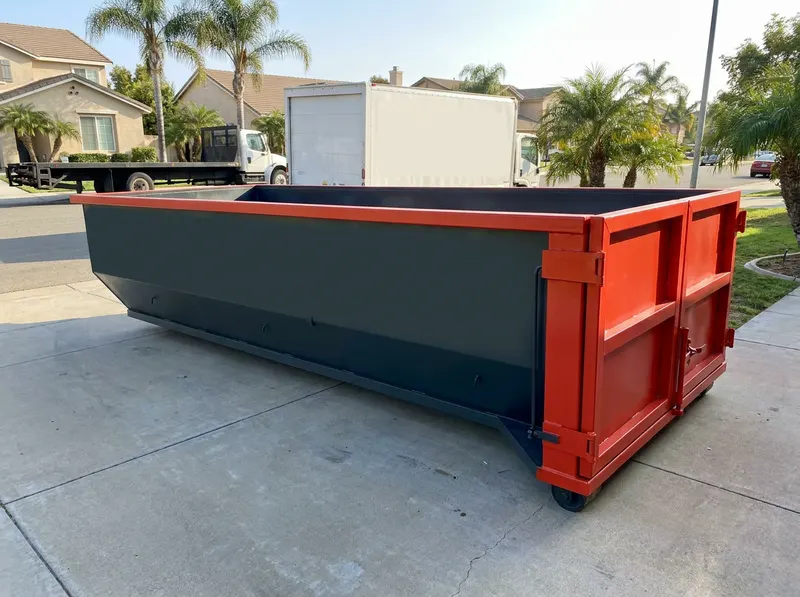
A long-term term means the dumpster stays through a project measured in weeks or a month-plus, instead of the shorter standard window used for a one-weekend garage purge. Rollout Dumpster Rental prices both the same way: one flat figure tied to the bin size, not the calendar. A 20-yard bin held for a phased bathroom-and-floor remodel in Carmel Valley is billed at the same $895 whether it sits for a long standard period or a stretched weekly hold confirmed up front. The all-in structure exists so a contractor framing work in Scripps Ranch or Rancho Bernardo can build the disposal line into a bid once and not re-forecast it when the schedule slips.
Sizing drives the price far more than time does, so match the bin to the debris volume first. The 10-yard holds roughly 4 pickup-truck loads and suits a single-room gut or a Mira Mesa fence tear-out; the 15-yard and 20-yard carry about 6 and 8 loads for a full kitchen or multi-room cleanout; the 30-yard and 40-yard handle roughly 12 and 16 loads for a whole-house renovation or a roof tear-off near Clairemont. A longer term does not need a bigger box, it needs steady loading between haul-aways, so if a bin fills before the project ends, we can swap or empty it and the flat size price still governs. Heavy loads like concrete, dirt, brick or asphalt are kept to smaller bins because weight, not space, becomes the limit; the U.S. EPA's construction and demolition materials guidance explains why those dense debris streams are separated, and CalRecycle tracks how California diverts that material from landfill.
Driveway placement matters on a long-term hold because the bin lives there for weeks. A 10-yard sits in a single standard driveway space; a 30-yard or 40-yard needs a longer flat run and clear overhead, which is worth checking against the tight lots common in older Hillcrest and North Park blocks. When a bin must sit on a public street rather than private property, the City of San Diego requires an encroachment permit, the city's Get It Done portal and the engineering permit pages describe the process, and our team can advise placement to keep most residential rentals on-driveway and permit-free. For jobsite staging, the OSHA construction standards cover keeping access and egress clear around a parked container.
A dumpster rental is not junk removal: you or your crew load the bin at your own pace, which is exactly why a weekly or long-term term fits intermittent work, demolition one week, loading the next. Accepted material follows standard solid-waste rules, and prohibited items such as paint, solvents, automotive fluids, electronics and appliances with refrigerant are handled separately; the EPA's household hazardous waste page and Earth911 list local drop-off options, while ENERGY STAR covers refrigerant appliance handling. E-waste disposal is governed by the state under California's electronic waste program, and tires fall under CalRecycle's waste tire rules. Keeping those items out of the bin protects the flat price, since contaminated loads are the main thing that forces a disposal site to reject or reweigh a container.
Every job gets a firm, written price after an on-site visit.
Tell us about your long-term & weekly rental terms job in San Diego and we'll send a clear, written quote, usually the same day.
 Rollout Dumpster Rental